A quiet visual essay from the Stedelijk Museum in Amsterdam, exploring Sandra Mujinga’s “Skin to Skin” installation through the lens of observation, stillness, and street-photography awareness. A study of presence — between viewer, artwork, and light.
enjoy the silence

Enjoy the s i l e n c e

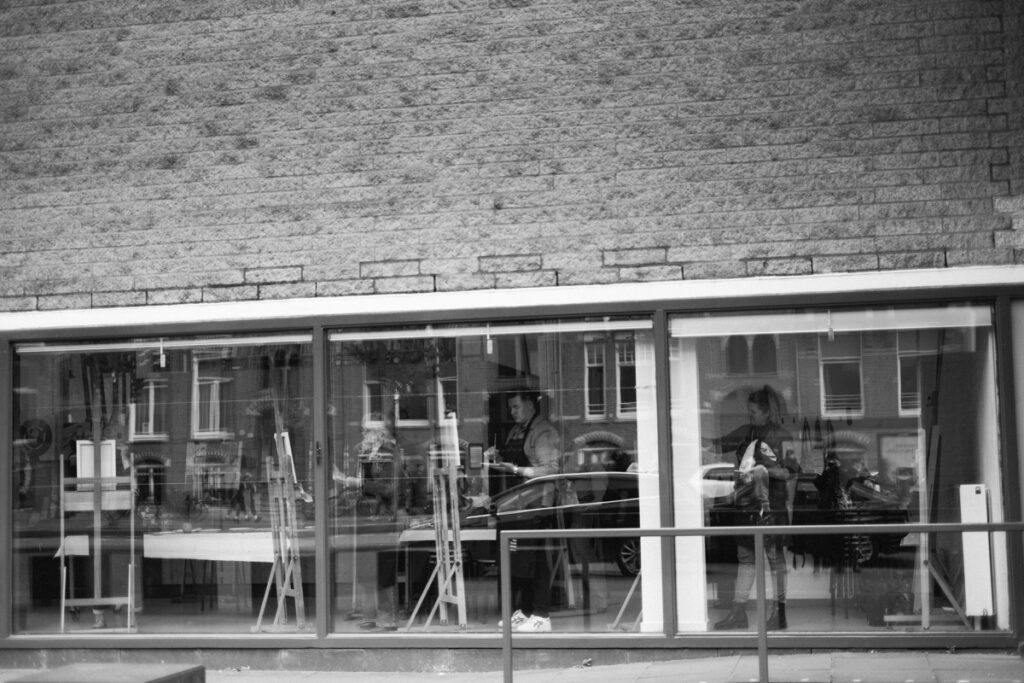
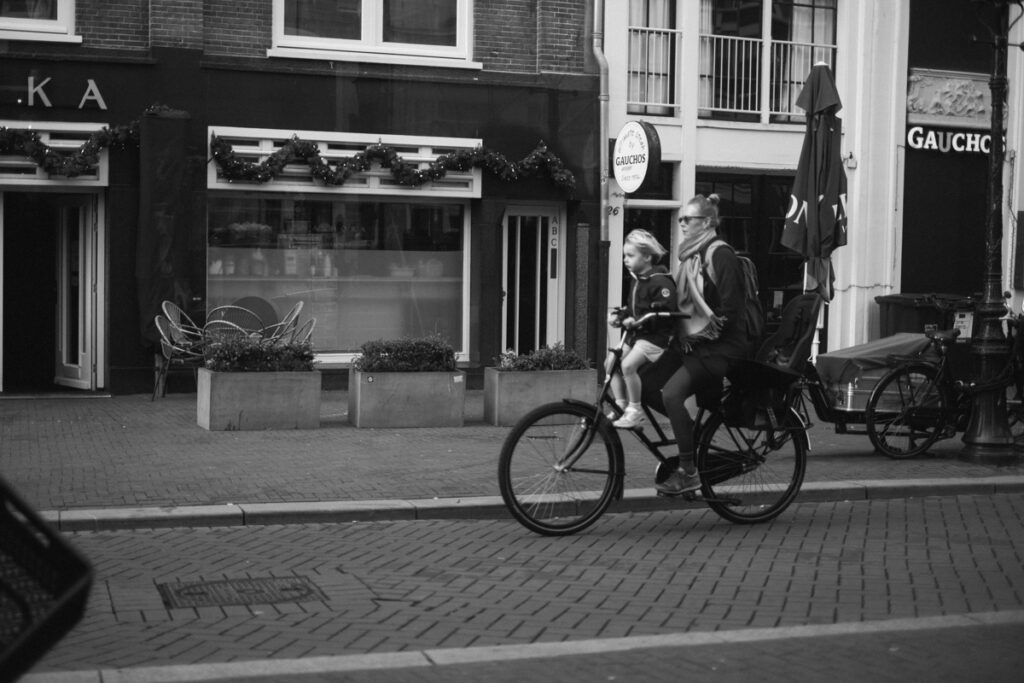
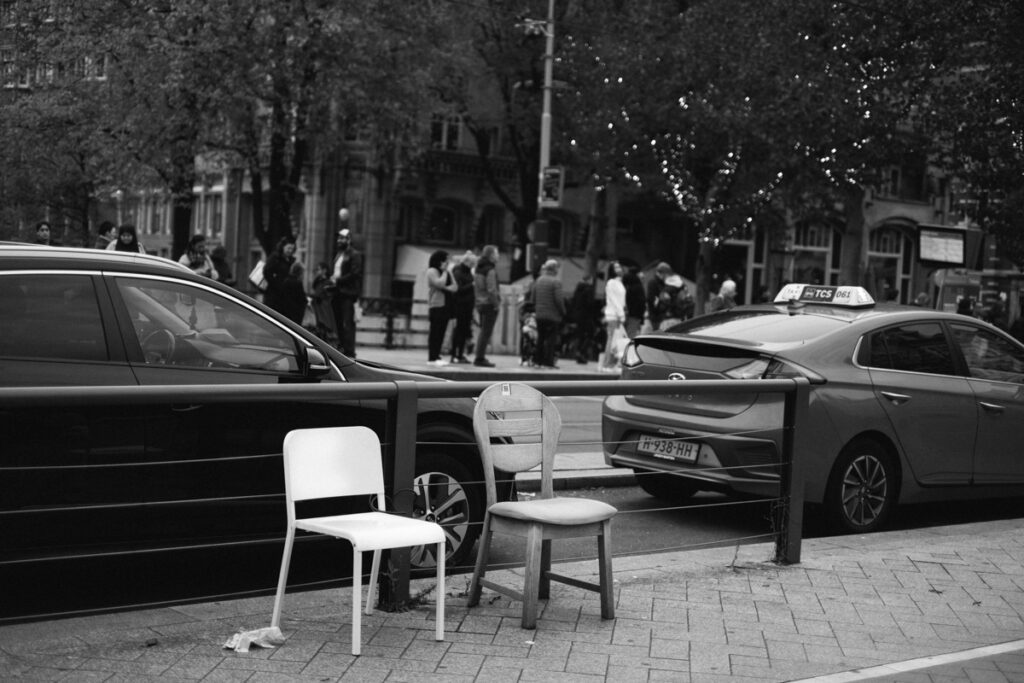
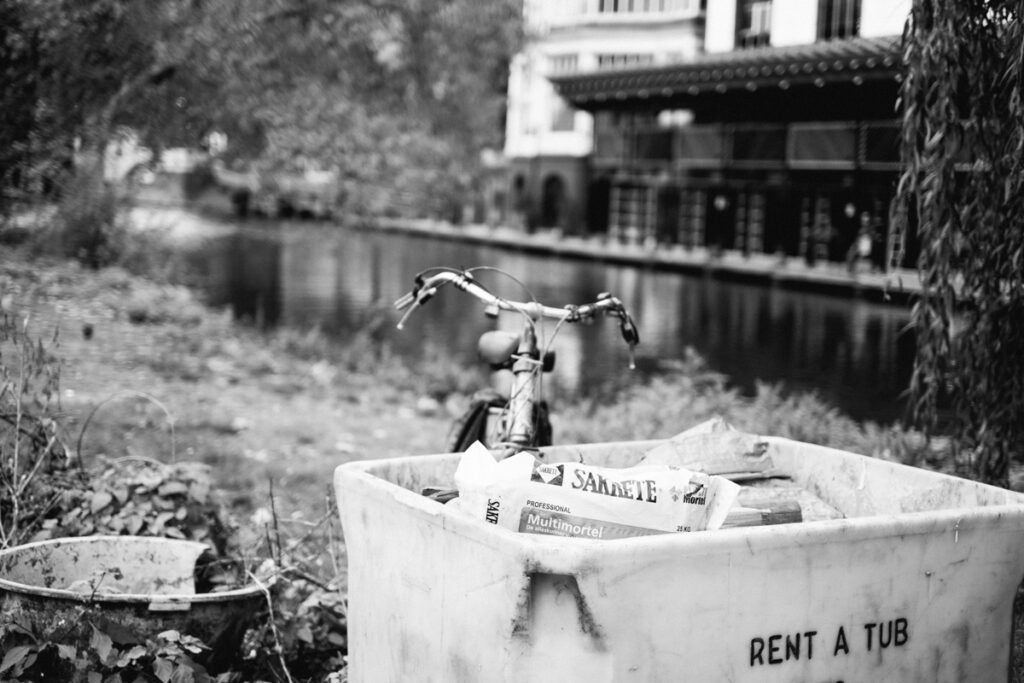
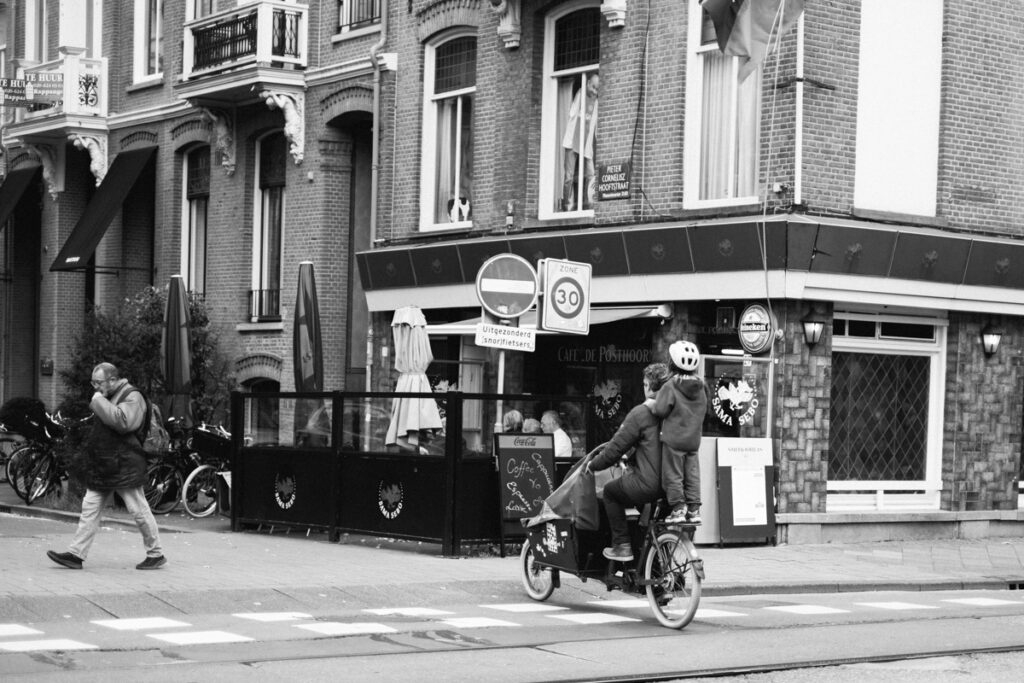
Amsterdam reveals itself through rhythm — canals that mirror the light, bicycles that hum through narrow streets, and people moving at a steady, unhurried pace. Every corner seems to hold a small narrative: a passing gesture, the geometry of architecture against clouded skies.
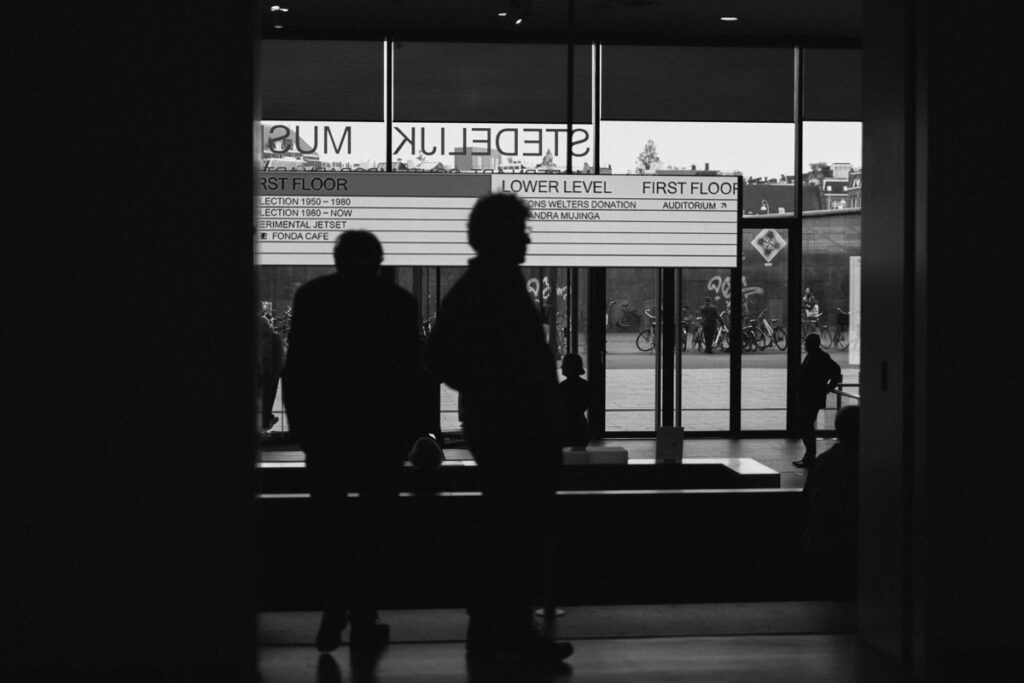
Visiting the Stedelijk Museum felt like a deliberate pause within that movement — a shift from the spontaneous to the constructed, where observation takes on a different texture.

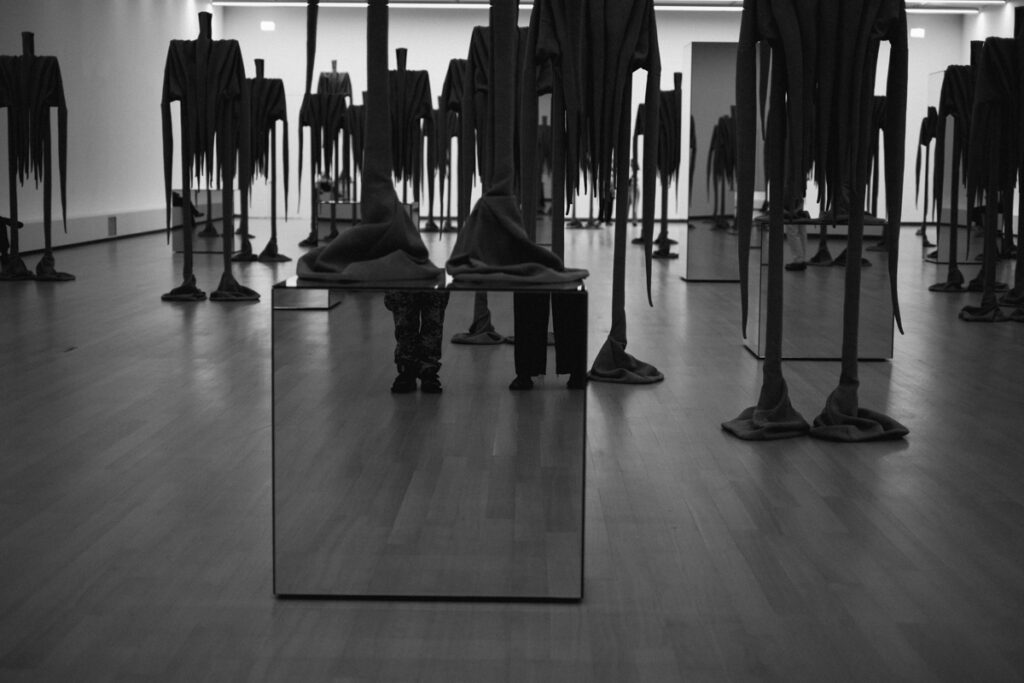
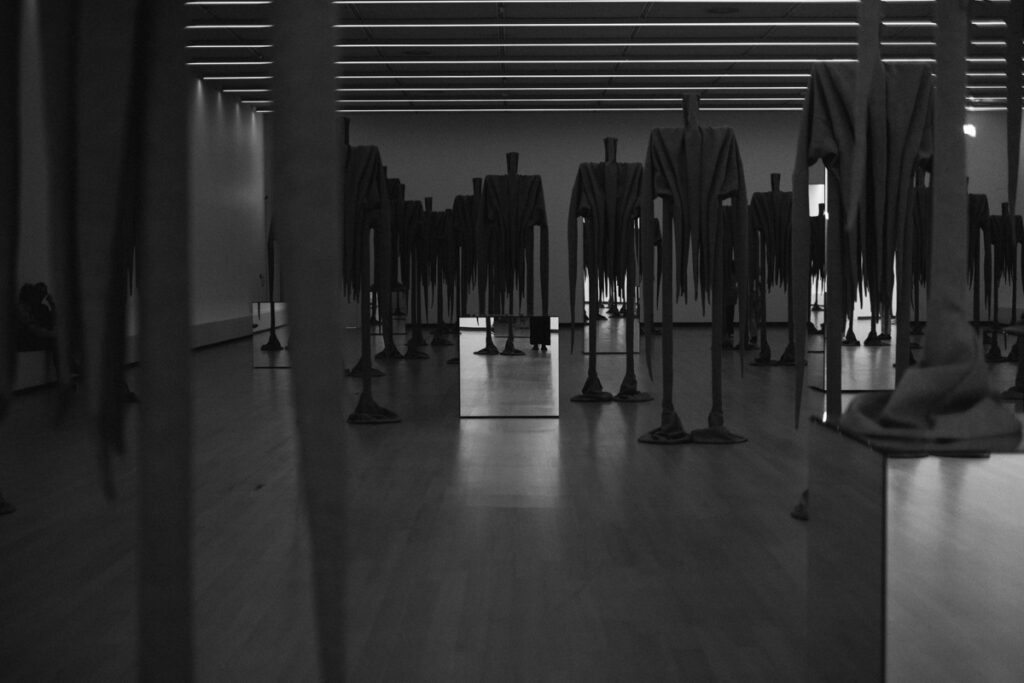
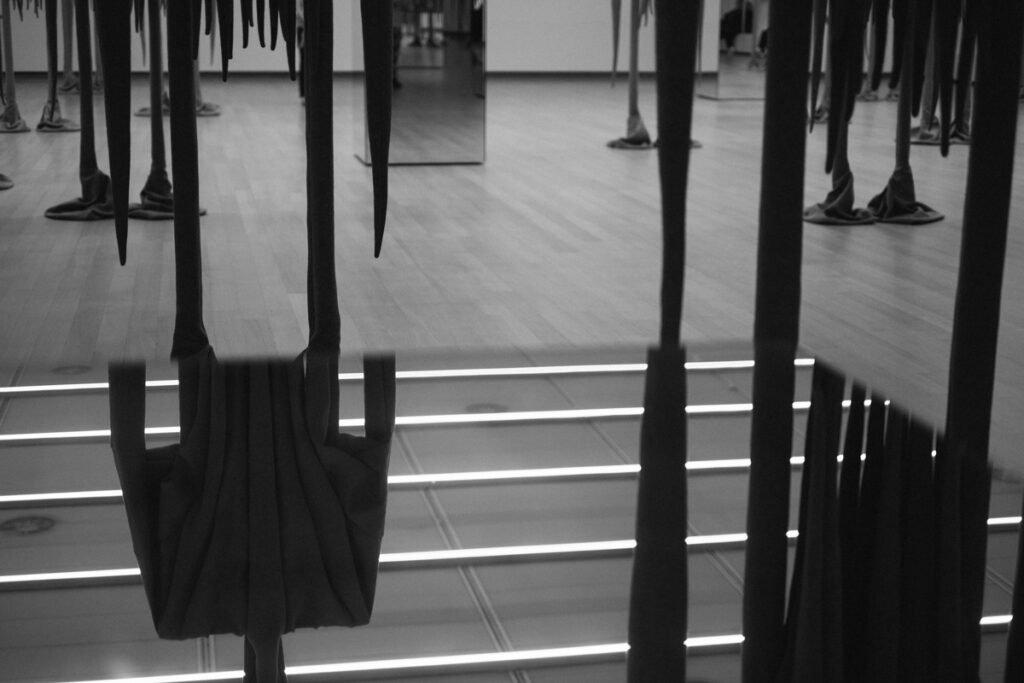
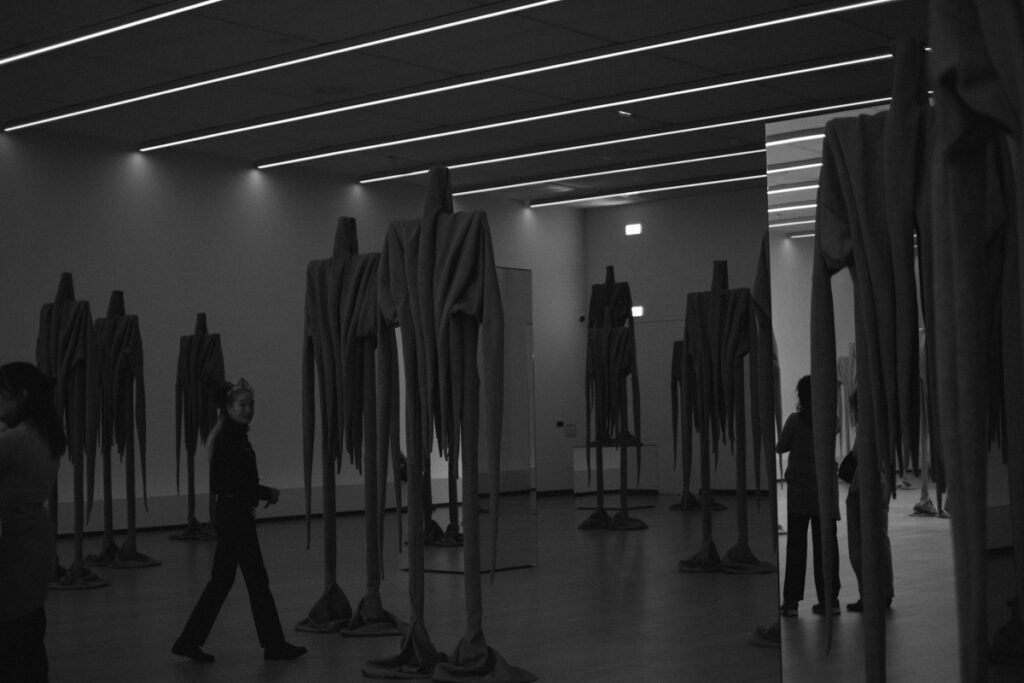
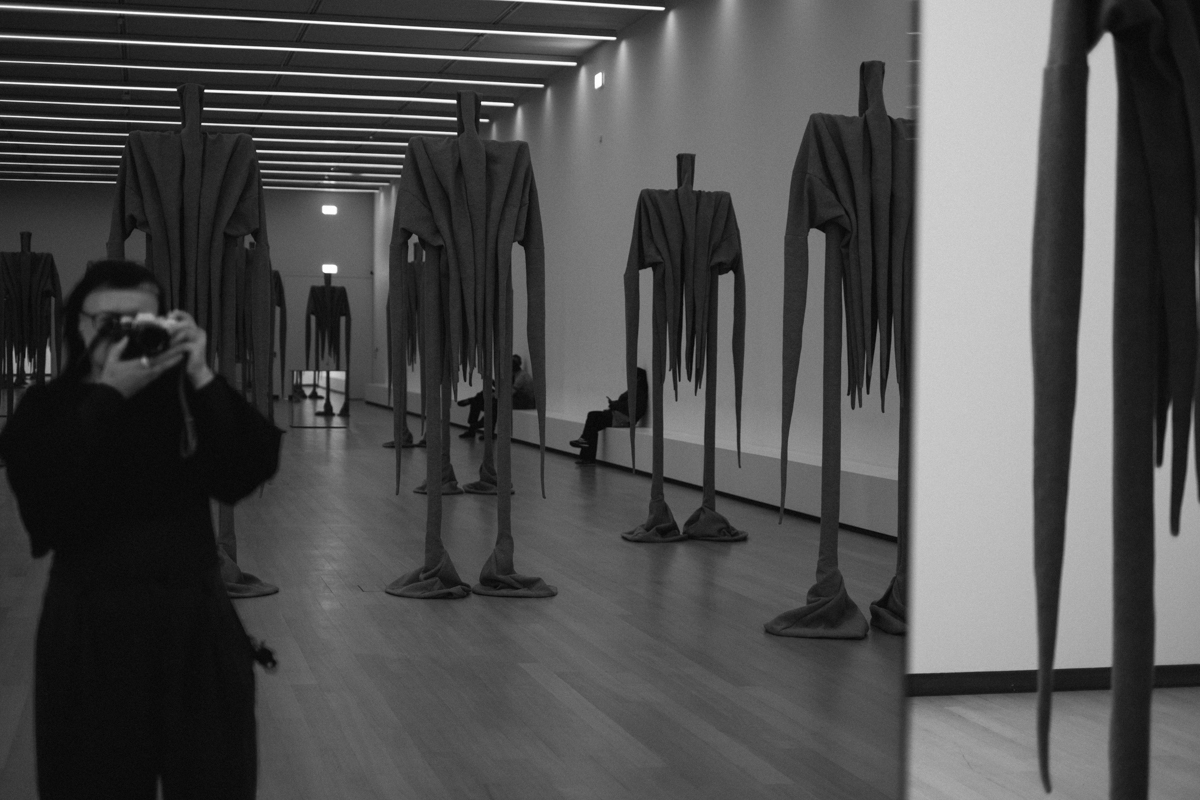
At the Stedelijk Museum, Sandra Mujinga’s Skin to Skin transforms space into a landscape of towering presences. Fifty-five elongated figures, draped in dark fabric, stand across the gallery like sentinels. The lighting, softly green and cyclic, moves slowly overhead, turning time itself into part of the installation. Mirrors fragment and extend the view, creating endless repetitions of these faceless beings.

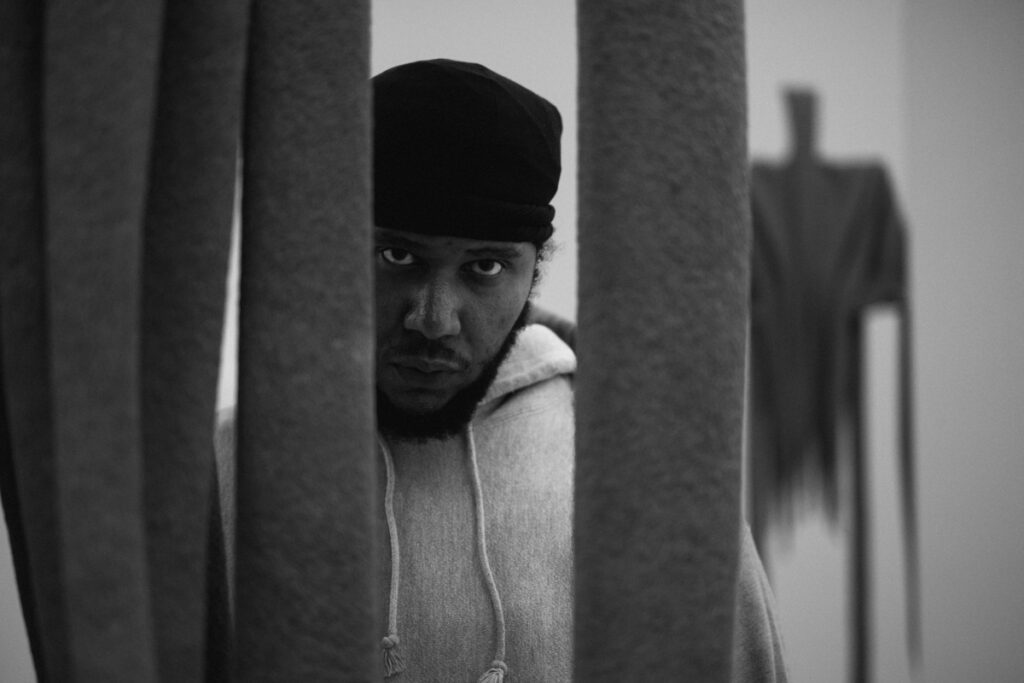
Mujinga’s work explores themes of visibility, concealment, and identity — how bodies occupy space and how they withdraw from it. The figures seem alive in their stillness, caught between human and post-human, natural and artificial. It’s an environment that blurs perception: you are both inside and outside the work, both observer and subject.

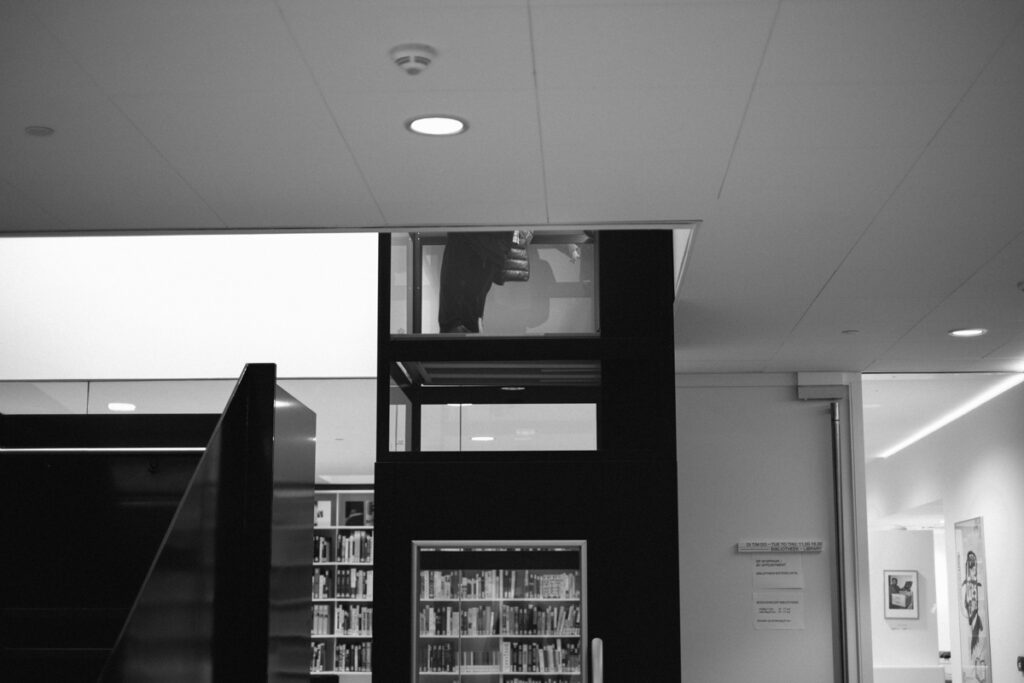
Taking photographs inside this installation felt closer to fieldwork than documentation. The sculptures dictated movement — tall enough to dominate, still enough to silence you. Every step had to respond to the arrangement of space and light. In this sense, photographing inside a museum is not so different from photographing on the street: both demand patience, timing, and awareness.

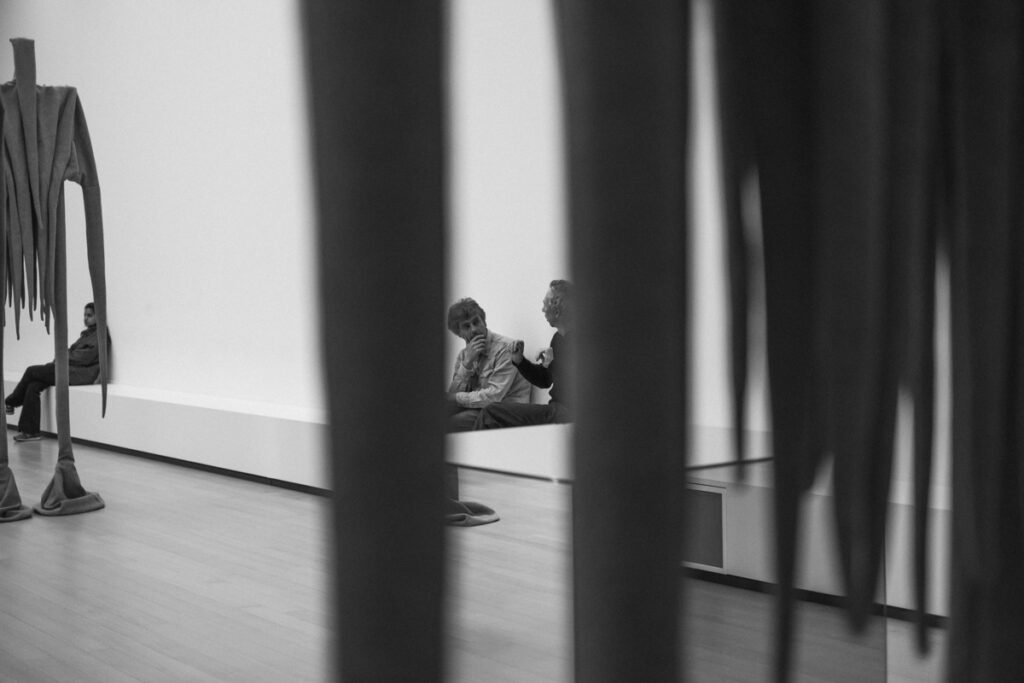
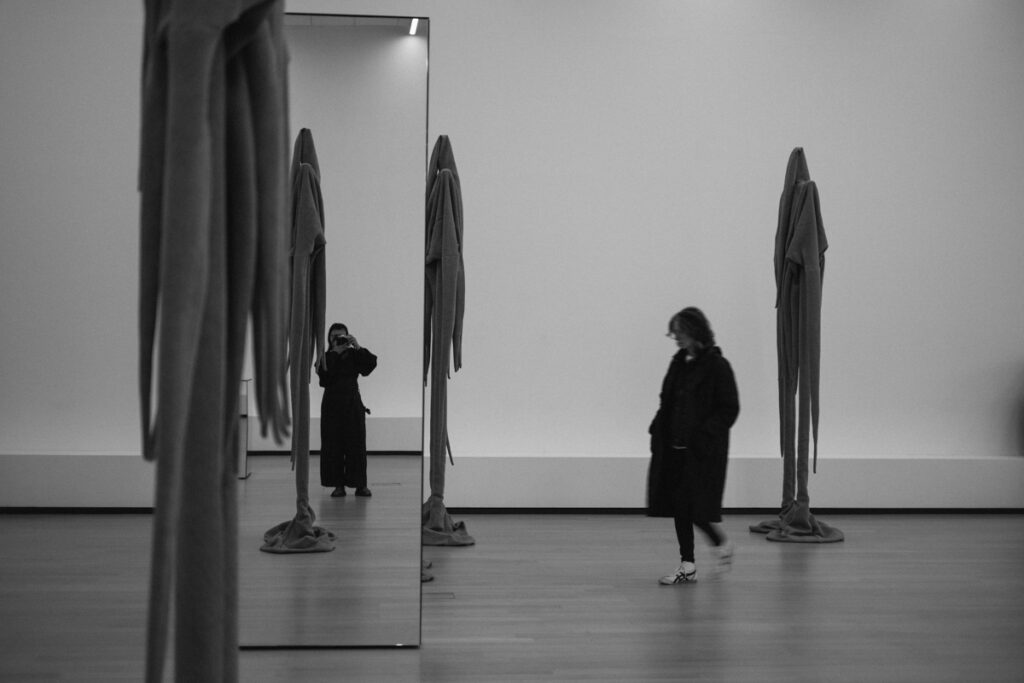
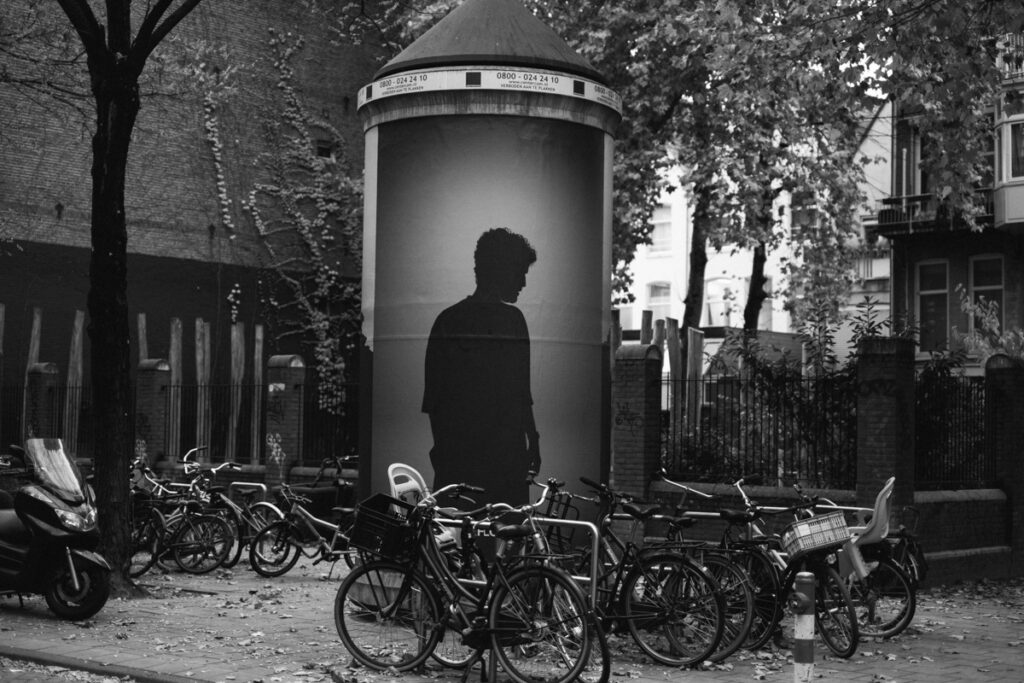
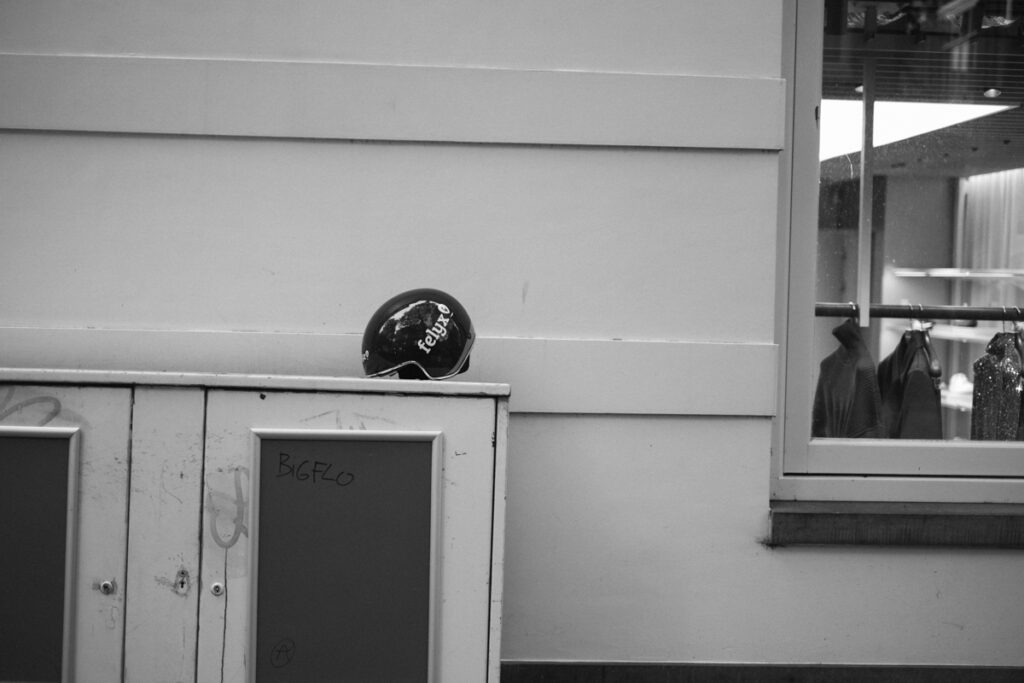
In street photography, the world unfolds unpredictably — reflections on a shop window, a pedestrian’s pause, a brief look exchanged. In Mujinga’s installation, those same dynamics exist but within a controlled frame. The difference is that here, the unpredictability comes from the viewers themselves. They wander, they hesitate, they lift their phones or cameras; they become part of the scene.

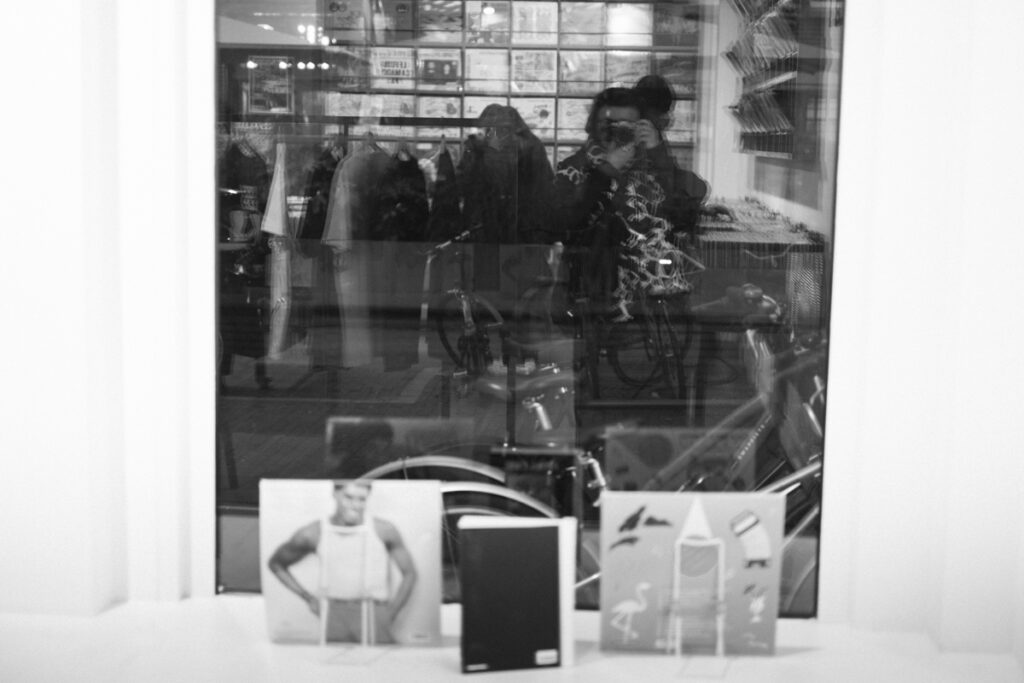
The photograph I took captures this duality — the act of looking and being looked at, the interplay between body and sculpture, light and reflection. It documents how art and audience mirror each other, how presence itself becomes a subject.

The atmosphere was dense yet calm — soft steps, a subtle soundscape in the air, suspended time. Light shifted with each movement of the viewer, reshaping the space into something quietly alive. The figures loomed but didn’t intimidate; they invited you to slow down and recalibrate your sense of scale. The subdued palette, the folds of fabric, and the recurring silhouettes all contributed to a meditative rhythm.

That rhythm echoed what I look for in Amsterdam’s streets: moments when movement pauses just long enough to become form. Whether in a museum or an alleyway, observation becomes the thread — the quiet practice of noticing how light wraps around shape, how stillness can feel alive, and how the act of seeing connects us to the world, and to ourselves, a little more clearly.
A quiet visual essay from the Stedelijk Museum in Amsterdam, exploring Sandra Mujinga’s “Skin to Skin” installation through the lens of observation, stillness, and street-photography awareness. A study of presence — between viewer, artwork, and light.
Standard
DocLab2022
nervous systems

Nervous Systems @IDFA DocLab 2022

*DocLab, the section of the International Documentary Film Festival Amsterdam (IDFA) dedicated to interactive art and storytelling, digital and XR programming.

Photo reportage from the opening night.

https://www.idfa.nl/en/info/about-idfa-doclab

Standard
© olga.tokarczyk@gmail.com
Usually crowded places are empty for us

Usually crowded places are empty for us this time.

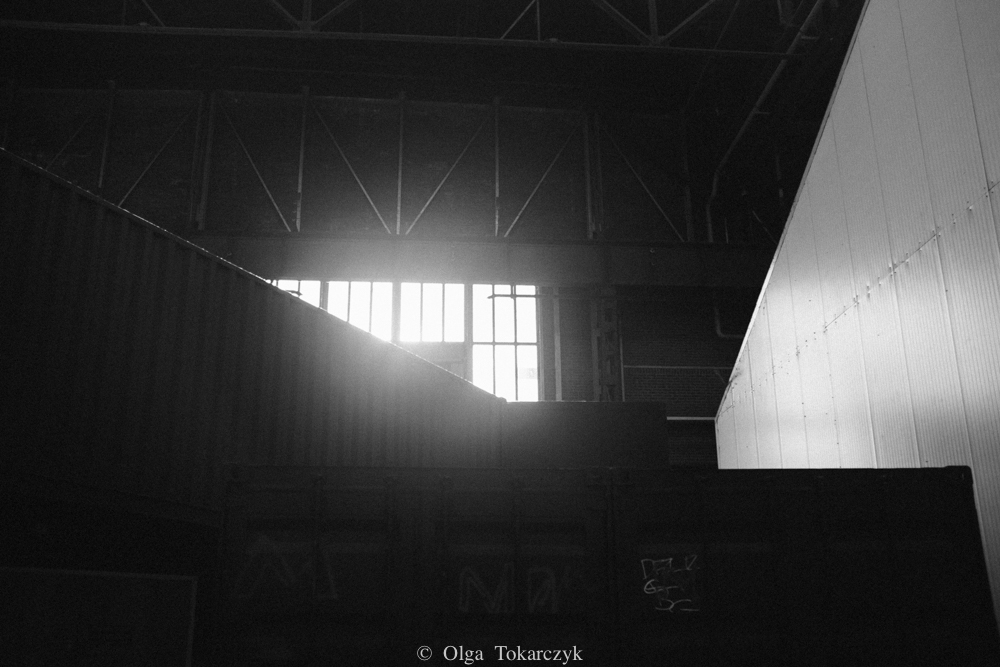
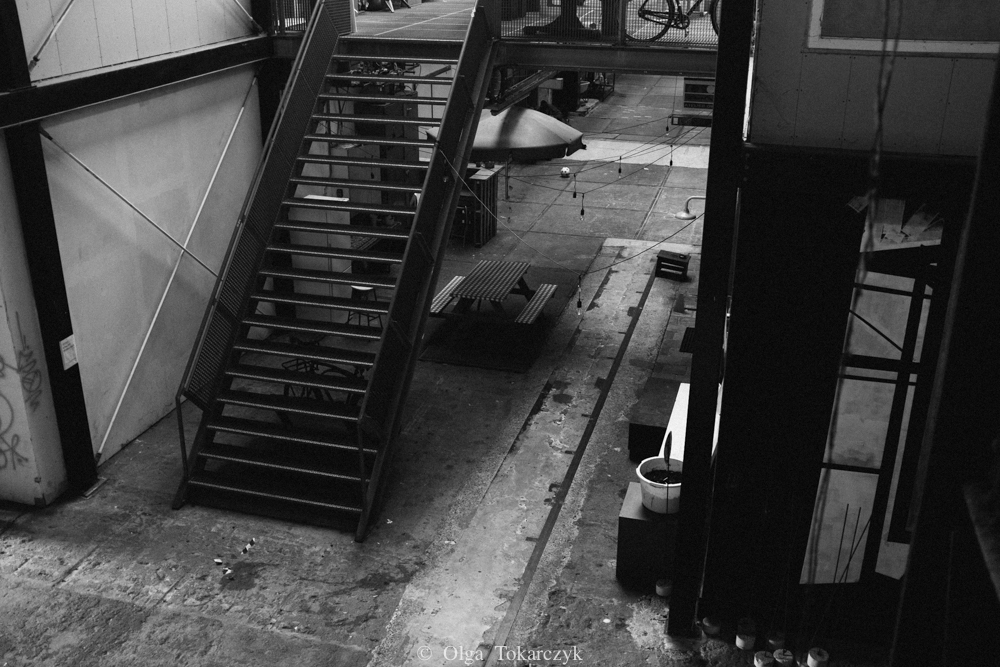
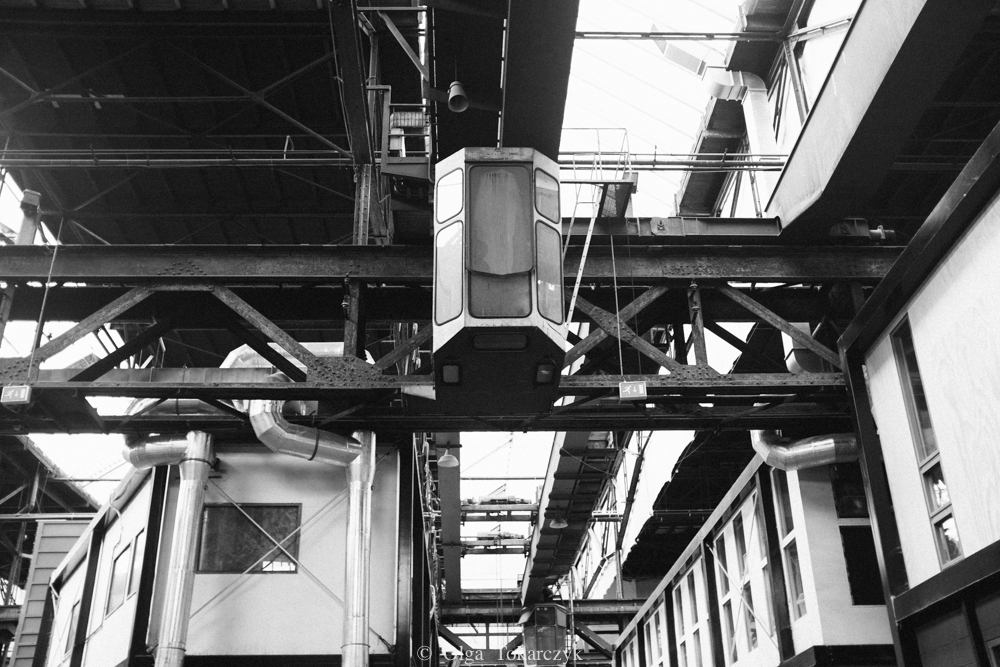
As a woman photographer, I recently had the opportunity to conduct a photoworkshop in NDSM, Amsterdam. The workshop focused on teaching participants about composition, light, and lenses, and how to apply these concepts to their photography. Despite the fact that NDSM is normally a crowded place, we were lucky to have almost no people around on this sunny but cold day in the Netherlands.

It was a unique opportunity for photographers to explore and capture the beauty of NDSM without any distractions. In this blog post, I will share my personal experience of photographing in NSDN and provide tips and tricks for those who want to capture the beauty of this place through their lenses.

NDSM is an old industrial estate that has been transformed into a creative hub. The place is characterized by its unique, eclectic, and industrial style, which can be a challenge to photograph. The location is usually bustling with people, artists, and visitors, which makes it a great place to practice street photography.

When you arrive at NDSM take a few minutes to explore the area and understand the light and shadows. This will help you to plan your shots and the settings on your camera.

It is also important to respect the privacy of the artists and not to disturb their work while photographing. Always ask for permission before taking any photos of their work or space.

Composition is a crucial element in photography, and it can make or break a photograph. In NSDN, you can find many unique and interesting compositions, thanks to the various textures, shapes, and colors of the surroundings. It is important to keep an eye out for these elements and use them to your advantage.

When composing your shot, consider the rule of thirds, leading lines, and symmetry. Try to create a balanced composition that draws the viewer’s attention to the subject.

Don’t be afraid to experiment with different angles and perspectives to create a more dynamic composition.

Light is one of the most important elements in photography, and it can make a huge difference in the final result. In NDSM you can find many different types of light, from natural light to artificial light. It is important to understand how to use them to your advantage. When shooting light, pay attention to the color temperature and try to adjust your white balance accordingly. You can also use different light sources to create interesting effects, such as neon lights or street lamps.

The lens you use can also make a big difference in your final result. In NDSM, you can find many different subjects that require different types of lenses. For example, if you want to capture a wide-angle view of the location, you can use a wide-angle lens. Alternatively, if you want to capture the details of the artwork, you can use a macro lens.

It is important to understand the strengths and weaknesses of each lens and choose the one that best suits your needs.

Don’t be afraid to experiment with different lenses and focal lengths to create different perspectives and moods.

NDSM is a bustling location, full of people, artists, and visitors. Capturing the people in the surroundings can add a sense of life and movement to your photographs.

When photographing people, it is important to respect their privacy and ask for their permission before taking their photo. You can also try to capture candid moments that showcase the emotions and personalities of the people in the surroundings.

Don’t be afraid to interact with the people and ask them about their work or their experience in NSDN. This can help you to create a more meaningful photograph.

Here are some additional tips to help you make the most of your photography experience in NDSM:

  • Respect the privacy of the artists and ask for permission before taking any photos of their work or space.
  • Experiment with different angles and perspectives to create a unique composition.
  • Try to capture the life and movement of the surroundings by including people in your photos.
  • Don’t be afraid to experiment with different lenses and editing styles.

As a woman photographer, I believe that photography is not just about capturing the beauty of the surroundings, but also about telling a story and capturing emotions. NDSM offers a unique and eclectic backdrop that can help you to create meaningful and impactful photos. I hope that my tips and advice will help you to make the most of your photography experience at NDSM and inspire you to continue exploring and experimenting with your photography skills.

Standard
JAPANESE NEW MUSIC FESTIVAL in Europe 2014

JAPANESE NEW MUSIC FESTIVAL in Europe 2014

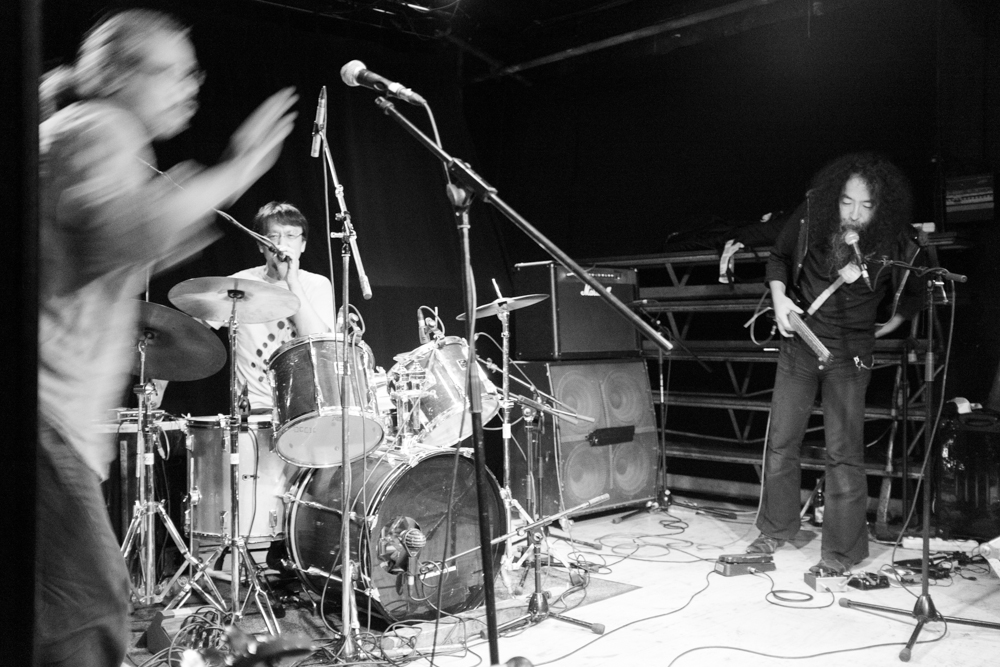
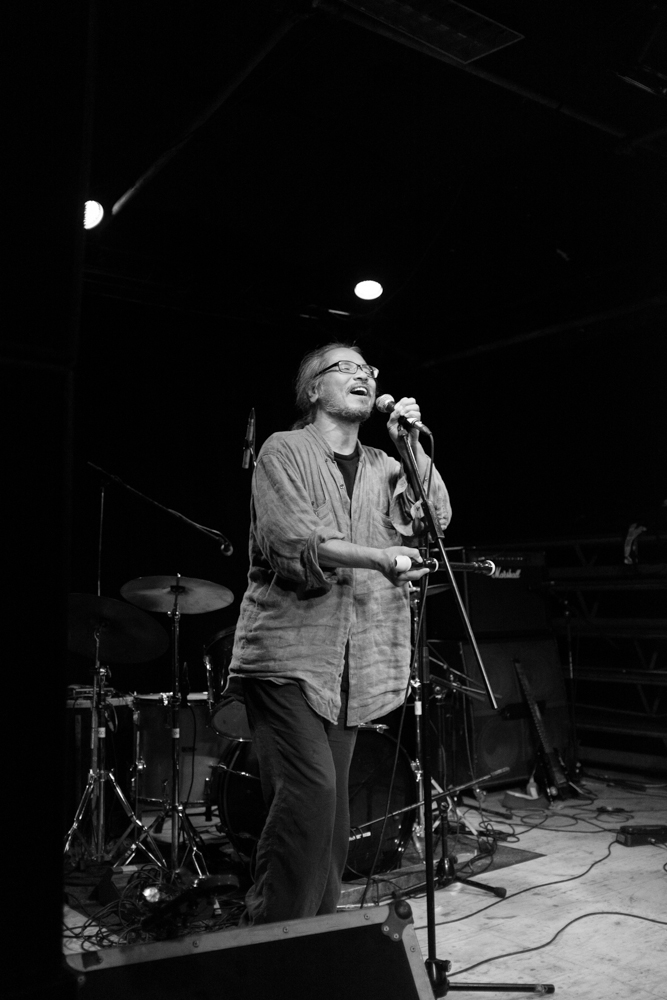
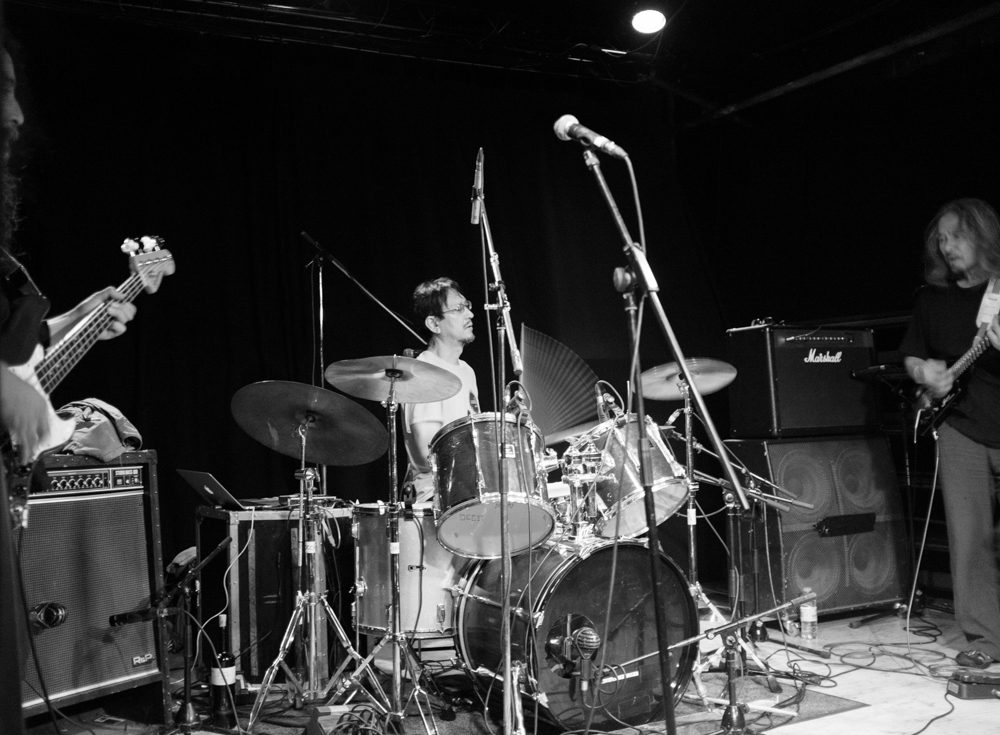
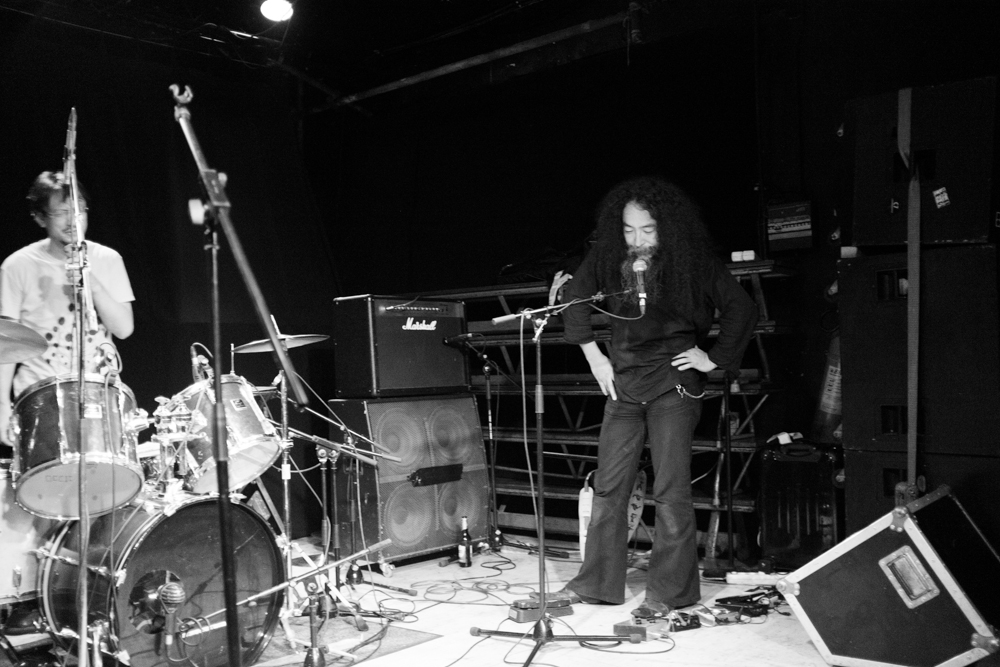
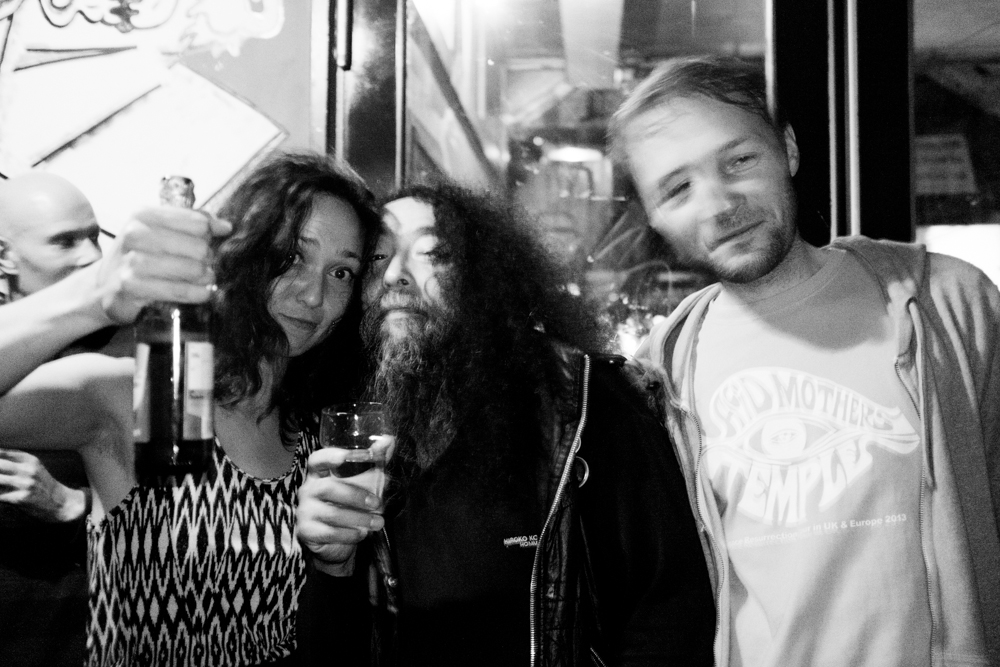
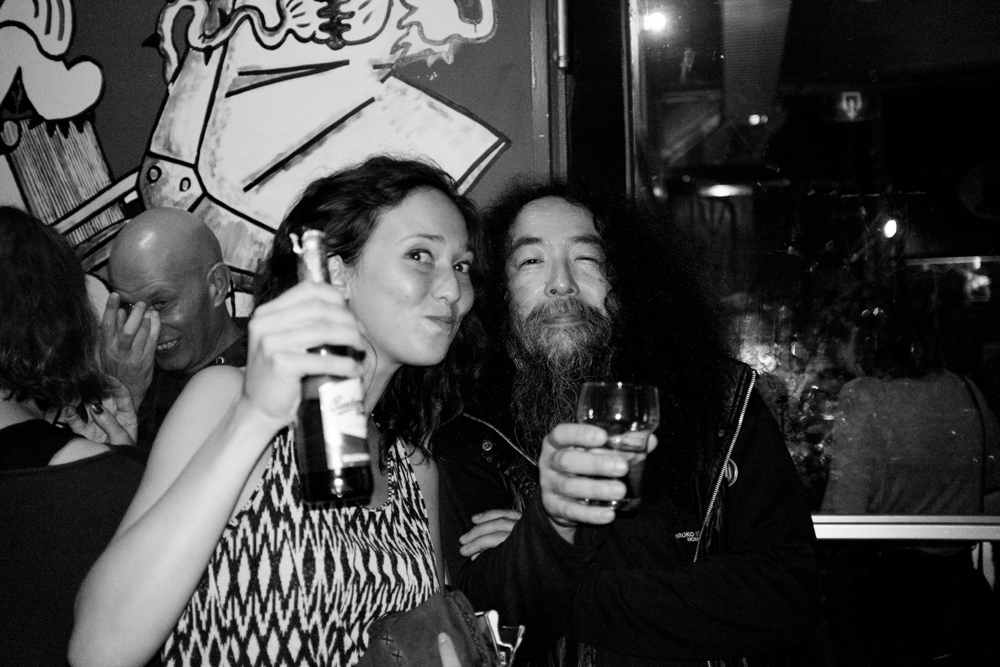
So, today finally I’ve succeed to upload all videos from this gig on youtube. Pictures from monday 13th october. Guys from Acid Mothers Temple made my day. Great show, yes, there was lots of fun, lots of great sounds. Thank u Makoto for a great company!

RUINS solo
TSUYAMA ATSUSHI solo
KAWABATA MAKOTO solo
ZOFFY
AKATEN
ZUBI ZUVA X
PSYCHE BUGYO
ACID MOTHERS TEMPLE SWR

© olga.tokarczyk@gmail.com

© olga.tokarczyk@gmail.com

© olga.tokarczyk@gmail.com

© olga.tokarczyk@gmail.com

© olga.tokarczyk@gmail.com

© olga.tokarczyk@gmail.com

© olga.tokarczyk@gmail.com

© olga.tokarczyk@gmail.com

© olga.tokarczyk@gmail.com

© olga.tokarczyk@gmail.com

© olga.tokarczyk@gmail.com

© olga.tokarczyk@gmail.com

© olga.tokarczyk@gmail.com

© olga.tokarczyk@gmail.com

© olga.tokarczyk@gmail.com

© olga.tokarczyk@gmail.com

© olga.tokarczyk@gmail.com

© olga.tokarczyk@gmail.com

© olga.tokarczyk@gmail.com

© olga.tokarczyk@gmail.com

© olga.tokarczyk@gmail.com

© olga.tokarczyk@gmail.com

© olga.tokarczyk@gmail.com

© olga.tokarczyk@gmail.com

© olga.tokarczyk@gmail.com

© olga.tokarczyk@gmail.com

© olga.tokarczyk@gmail.com

© olga.tokarczyk@gmail.com

© olga.tokarczyk@gmail.com

© olga.tokarczyk@gmail.com

© olga.tokarczyk@gmail.com

© olga.tokarczyk@gmail.com

© olga.tokarczyk@gmail.com

© olga.tokarczyk@gmail.com

© olga.tokarczyk@gmail.com

© olga.tokarczyk@gmail.com

© olga.tokarczyk@gmail.com

© olga.tokarczyk@gmail.com

© olga.tokarczyk@gmail.com

© olga.tokarczyk@gmail.com

© olga.tokarczyk@gmail.com

© olga.tokarczyk@gmail.com

© olga.tokarczyk@gmail.com

© olga.tokarczyk@gmail.com

© olga.tokarczyk@gmail.com

© olga.tokarczyk@gmail.com

© olga.tokarczyk@gmail.com

© olga.tokarczyk@gmail.com

© olga.tokarczyk@gmail.com

© olga.tokarczyk@gmail.com

© olga.tokarczyk@gmail.com

© olga.tokarczyk@gmail.com

© olga.tokarczyk@gmail.com

© olga.tokarczyk@gmail.com

© olga.tokarczyk@gmail.com

© olga.tokarczyk@gmail.com

© olga.tokarczyk@gmail.com

© olga.tokarczyk@gmail.com

© olga.tokarczyk@gmail.com

© olga.tokarczyk@gmail.com

© olga.tokarczyk@gmail.com

© olga.tokarczyk@gmail.com

© olga.tokarczyk@gmail.com

© olga.tokarczyk@gmail.com

and now some short videos. Personally i think “wine” and “canonCanon” i just simply about me! 😉

Standard
.historia pewnego zrywu.

.historia pewnego zrywu.

ciag dalszy wykopalisk.

ubiegle lato, Fifa [?] prosze nie krzyczec, laik totalny jestem.

jedyne co w tym calym zamieszaniu footbal`owym bylo “smaczne” to, ze cale miasta topily sie w pomaranczy 😉

moze nie wszystkim wiadomo, ale hohland to takze “oranje” [od nazwiska krolow “van Oranje” —> ten od Pomaranczki ;)]

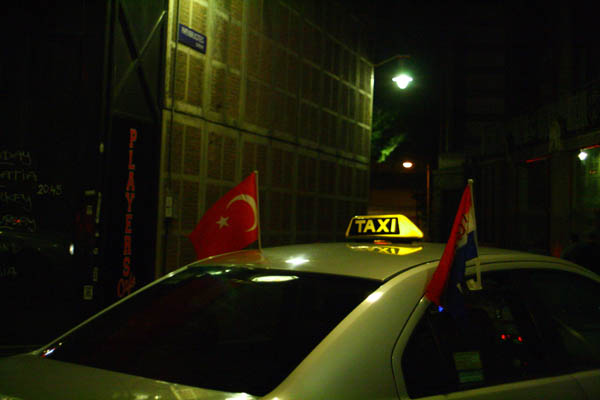
tutaj Amsterdam, noc w ktora Turcja przeszla do cwierc finalow [?]

szczerze, nawet na stadionie w chorzowie takiej rozpierduchy nie bylo… szal..

ale nie tylko oni poszaleli wtedy

img_00044img_00081img_00211img_00291img_00321img_00541img_00571img_00601img_00621img_00651img_00661img_00681

Standard